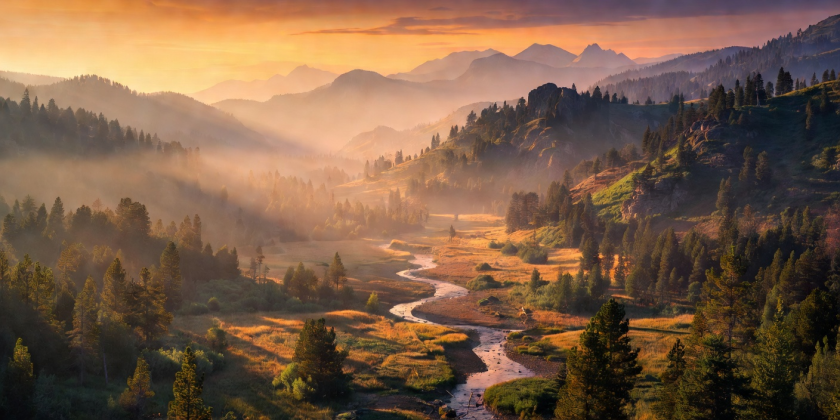
Mastering Golden Hour & Blue Hour Exterior Timings
The golden hour—occurring shortly after sunrise and right before sunset—is prized by directors of photography for its low angle of incidence and warm color temperature (approx. 3200K - 3500K). However, because this natural window often lasts less than 40 minutes, flawless location prep is required.
1. Calculating Atmospheric Refraction
Depending on latitude and elevation, atmospheric haze can either elongate or truncate golden hour duration. High-altitude locations like Sedona feature thinner air, causing rapid light drop-off, whereas humid coastal zones like Hawaii offer extended ambient diffusion.
2. Transitioning to Blue Hour
Immediately following sunset comes blue hour (nautical twilight), characterized by cool indirect skylight around 6500K to 9000K. Utilizing LED bounce fill balanced for 5600K enables film crews to capture deep sky contrast while retaining crisp talent skin tones.